What Is a PWA? A Simple Explanation of How Websites Become “Apps” on Your Phone
Last updated: 2026/01/29
You might have wondered:
“What’s the difference between ‘Add to Home Screen’ and a real app?”
“How can a website behave like an app without downloading anything?”
The answer is PWA — Progressive Web Apps.
PWAs allow a website to function almost like a mobile app on both iPhone and Android, directly from the browser.
What Is a PWA?
A PWA is a technology that lets a website opened in Safari or Chrome launch from the Home Screen like a native app.
PWAs typically offer three major features:
- An icon on the Home Screen
- A full-screen display with no browser UI
- (Depending on setup) Offline functionality
The key advantage: No app store, no installation — just the web acting like an app.
“Add to Home Screen” Is Actually a PWA Feature
The “Add to Home Screen” option in Safari on iPhone is part of the PWA system.
However, not every website works as a full PWA. To qualify, a site must include:
- manifest.json — defines app name, icons, display mode
- Service Worker — handles caching and offline control
If either is missing, the site behaves as a normal shortcut, not a PWA.
👉 Home Screen Customization in 2026: How iOS Evolved and What Users Want Now
Benefits of PWAs
- No need for App Store installation
- Automatic updates — changes on the web reflect instantly
- No storage space used
- UI that closely resembles a native app
PWAs are convenient for both users and developers.
Limitations (There Are Boundaries)
- Not as powerful as real native apps
- iOS imposes more restrictions than Android
- Push notifications and background tasks are limited
A PWA is still a “website” at its core. It cannot fully replace advanced native apps.
OJapp Is Not a PWA — The Purpose Is Completely Different
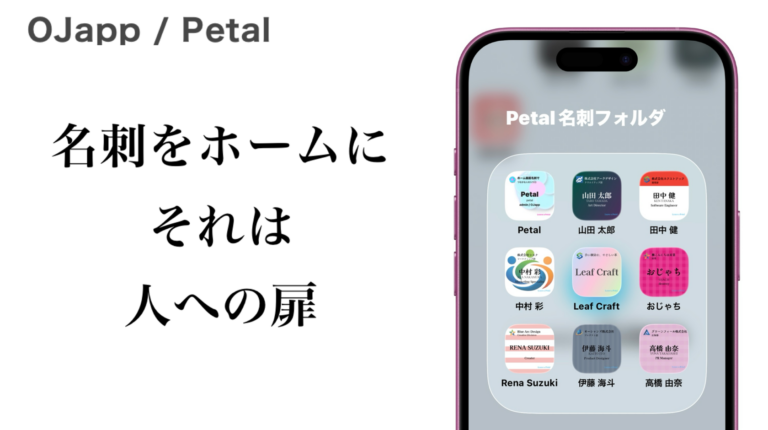
PWAs are about making a website function more like an app. On the other hand, OJapp is a tool that lets users customize how a Home Screen shortcut looks.
- PWA → Developer-side feature that makes a website behave like an app
- OJapp → User-side tool for customizing icon, name, and URL
They solve different problems: OJapp focuses on appearance and personalization, while PWA focuses on technical app-like behavior.
Summary: PWA = “App Behavior”, OJapp = “Custom Appearance”
As “Add to Home Screen” becomes more common, understanding PWA helps you see why websites can feel like real apps.
And knowing the difference between PWA and OJapp makes it easier to choose the right tool depending on your goal.
👉 https://tips.ojapp.app/en/scroll-seo-2/